A Rewind What People Talked About Landlord Gas Safety Certificate 20 Years Ago


The Importance of a Landlord Gas Safety Certificate
A gas safety certificate issued by a landlord is proof that a qualified engineer having checked and tested the gas appliances in the property. Landlords are required to give an original copy of the certificate to tenants within 28 days and to new tenants prior moving in.
A digital record of gas safety can be kept on a tablet, smartphone or computer and displays the unique identifier of the engineer who conducted the check. This could be an electronic signature, a payroll number, or name.
Legal Obligations
There are many legal obligations that come with landlord gas safety certificates, and they're all important to be aware of. Gas Safe engineers must carry out the inspection. This is a requirement that's obvious. The only qualified person who can ensure that pipes and appliances are safe for use by tenants. The engineer will examine each gas appliance in the property and the flue. The engineer will then provide the landlord the Gas Safety Record (CP12).
If a landlord has multiple properties, they need to make sure that each one is in compliance with the requirements of the law. The HSE website gives landlords up-to-date easy-to-access guidance on their obligations under The Gas Safety (Installation and Use) Regulations and the associated Approved code of practice. Leaflets that explain these laws are available for download.
Landlords are required to give a copy of the Gas Safety Record to each tenant who occupies their property, as well as any new tenants at the start of their lease. Landlords must keep a copy of the Gas Safety Record for their records of the CP12.
In addition, landlords must ensure their onsite gas systems and appliances are in good repair. If they are not, the property owner has to either repair them or replace them. It's also worth noting that it's illegal for landlords to rent out a property with faulty gas appliances.
Landlords must notify their tenants 24 hours in advance if they are planning to visit the property to conduct safety or maintenance inspections. They should also make sure that they are able to be allowed to enter the property without any force.
It is advised that in the event of a dispute, the tenancy agreement include a clause that allows both parties to take actions to ensure that the landlord is able to perform the necessary maintenance and inspections. This could include contact with the local authority for help or setting up an appointment with a different gas engineer to visit the property.
It's important to remember, too, that landlords cannot issue Section 21 notices to their tenants in the absence of a Gas Safety Certificate valid for the property. In order to do this landlords must be up-to-date with their CP12s as well as conduct annual inspections. If they don't the landlord is at risk of getting a fine or face imprisonment.
Prevents accidents
A gas safety certificate for landlords is a crucial step to avoid accidents or injuries caused by faulty gas appliances. Regular inspections enable problems to be identified and corrected before they cause harm. This decreases the chance of costly damage or liability claims by tenants. Landlords can also benefit from the peace of mind that comes with knowing that they are meeting their legal obligations and preserving their reputation as a responsible rental company.
Gas safety certificate are official documents that prove landlords have met the legal requirements of UK law. It is issued by an engineer registered in the United Kingdom and includes details regarding the address of the property, the appliances or installations that were examined and whether or not they passed the safety tests. It must be signed by the engineer and issued within 48 hours of the examination.
Landlords may face severe consequences if they fail to comply with the regulations regarding gas. Local authorities could impose fines and may prosecute them in the event of an accident or injury that occurs as a result of the use of gas mains in the property. Landlords also run the risk of losing their professional image on the market and could be unable to attract new tenants if they're not in compliance with the laws that govern their rentals.
The revised Gas Safety Regulations require that landlords conduct annual inspections on all gas appliances within their properties. They must also provide tenants with copies of the documents and keep detailed records of all the checks. It is crucial to keep records because it can help landlords prove they have met their legal obligations and shield themselves from penalties or fines.
Some tenants might not let their property be accessed to conduct a safety inspection. They might feel it's an privacy invasion or the inspection isn't necessary but it's necessary to ensure their safety. Landlords should explain this to tenants and emphasize that carbon monoxide is odorless flavorless, tasteless and colorless which makes it difficult to detect without an appropriate inspection.
If tenants refuse to cooperate landlords should think about writing them a letter explaining why they need to have access and what the inspection will entail. If they still refuse to let the engineer in, they should consider evicting them using a Section 21 notice.
Avoids Fines
Gas checks are one of the most important safety regulations that landlords must follow. Failure to do so can result in heavy fines, and even jail time. Being aware of these regulations is essential to the success of any rental property. There are some simple steps that landlords can take to ensure compliance and prevent costly errors.
The first step to take is to ensure that all gas appliances and installations are inspected and maintained by an engineer who is qualified. This will ensure that the equipment is safe for be used by tenants. It is also essential to keep all documentation of these inspections to be able to refer back to them in the future. Moreover, the landlord must be able to provide a copy certificate to each tenant on request.
Verifying that the engineer listed registered on the Gas Safe Register has the necessary credentials to perform the inspection and issue a certificate is an additional important step. If the landlord employs an unqualified engineer they could be subject to serious penalties or even prison.
Finally, landlords must ensure that they get a brand new landlord gas safety certification before the expiration date of their current certification. This will prevent any problems with dates that overlap and ensure that all inspections are performed in time.
It's not easy to navigate the complicated regulations, even though it is important to have electrical and gas safety certificates . By taking the time to learn about these rules and following the best practices, landlords can avoid costly errors which could expose their tenants to risk.
In addition to legal consequences landlords can also face expensive damages from tenants who are injured by faulty appliances. In addition the majority of landlord insurance policies do not provide coverage for injuries that occur in properties with an expired or non-existent gas safety certificate. Therefore, it is essential for landlords to be current on all electrical and gas safety regulations and get an appropriate certificate prior to renting their properties. Contact Pro Checks for all of your landlord safety certificates today! Pro Checks is a team of London-based professionals who are committed to providing prompt service, attention to detail and competitive prices.
Peace of Mind
Landlords can rest assured their property is safe when they comply with all local safety standards and regulations. This gives them peace of mind and allows them to focus on the business of renting out properties. Landlords with a strong track record of gas certifications and inspections can anticipate their properties to be sought-after, resulting long-term tenants and steady rental income.
Gas safety regulations are very important, and landlords must keep a current certificate. It also shields them from legal disputes with tenants over malfunctioning appliances, and may save them hefty fines by regulatory bodies.
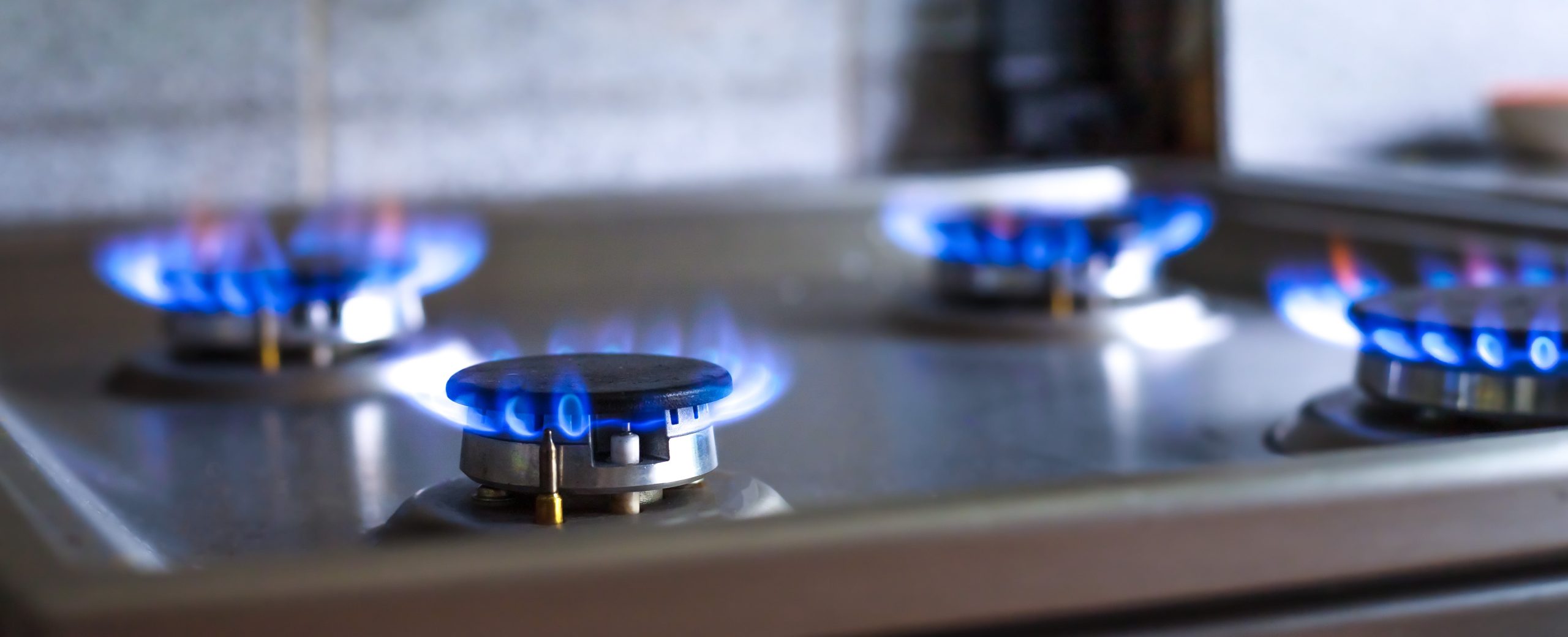
Landlords have many options to conduct safety inspections and issue certificates. They should check local regulations to ensure they are in compliance with all regulations. It is also recommended that Gas Safe registered engineers complete the inspections. They have completed rigorous training and assessments which has given them the ability and knowledge to perform a thorough and precise inspections of all gas appliances.
After the inspection is completed, the engineer will issue the engineer with a Landlord Gas Safety Record or gas safety certificate for landlords. This document will contain the date of the inspection, particulars of the appliances examined and the engineer's registration number as well as name. The document will also list any faulty appliances and offer suggestions on how to fix the problem. Landlords must provide an original copy of this document to tenants within 28 days from the date of the date of the check, or prior to when new tenants move into the property.
Regular maintenance of gas appliances can help landlords avoid expensive repairs down the line. It is essential to schedule regular maintenance and inspections so that any issues are identified as soon as possible. This will help prolong the life span of the appliance and ultimately save costs in the long run.
A landlord who wants to provide their tenants with peace of mind should have all chimneys and gas appliances checked by certified experts and obtain an official Certificate of Gas Safety. This will allow them to avoid costly repairs and fines for noncompliance. It will also boost their reputation as a responsible landlord.